 live coaching
How often should you train with an online personal trainer?
Research points to 2 or 3 sessions a week for most goals, yet most people book one. Here's the frequency evidence by goal, training age, and budget.
Carl Borg · 9 min read
Limited founding spots left
THE BLOG · PAGE 3 OF 4
What we see watching thousands of live reps, and what it means for your training.
live coachingResearch points to 2 or 3 sessions a week for most goals, yet most people book one. Here's the frequency evidence by goal, training age, and budget.
Carl Borg · 9 min read
 beginners
What research says about beginners lifting unsupervised, what live video coaching catches, and when an in-person trainer or cheap app is the better call.
Carl Borg · 10 min read
 comparisons
Whether online coaching is worth the money comes down to one bottleneck: showing up. Who should pay for it, who shouldn't, and the real 2026 prices.
Carl Borg · 8 min read
 comparisons
A five-question framework for choosing an online personal trainer: live vs async, verifying credentials, pricing models, trial terms, and accountability.
Carl Borg · 10 min read
 comparisons
In-person coaching wins on spotting, equipment, and feel. Online wins on price and consistency. Here's what the trials say, and where video lands.
Carl Borg · 10 min read
 live coaching
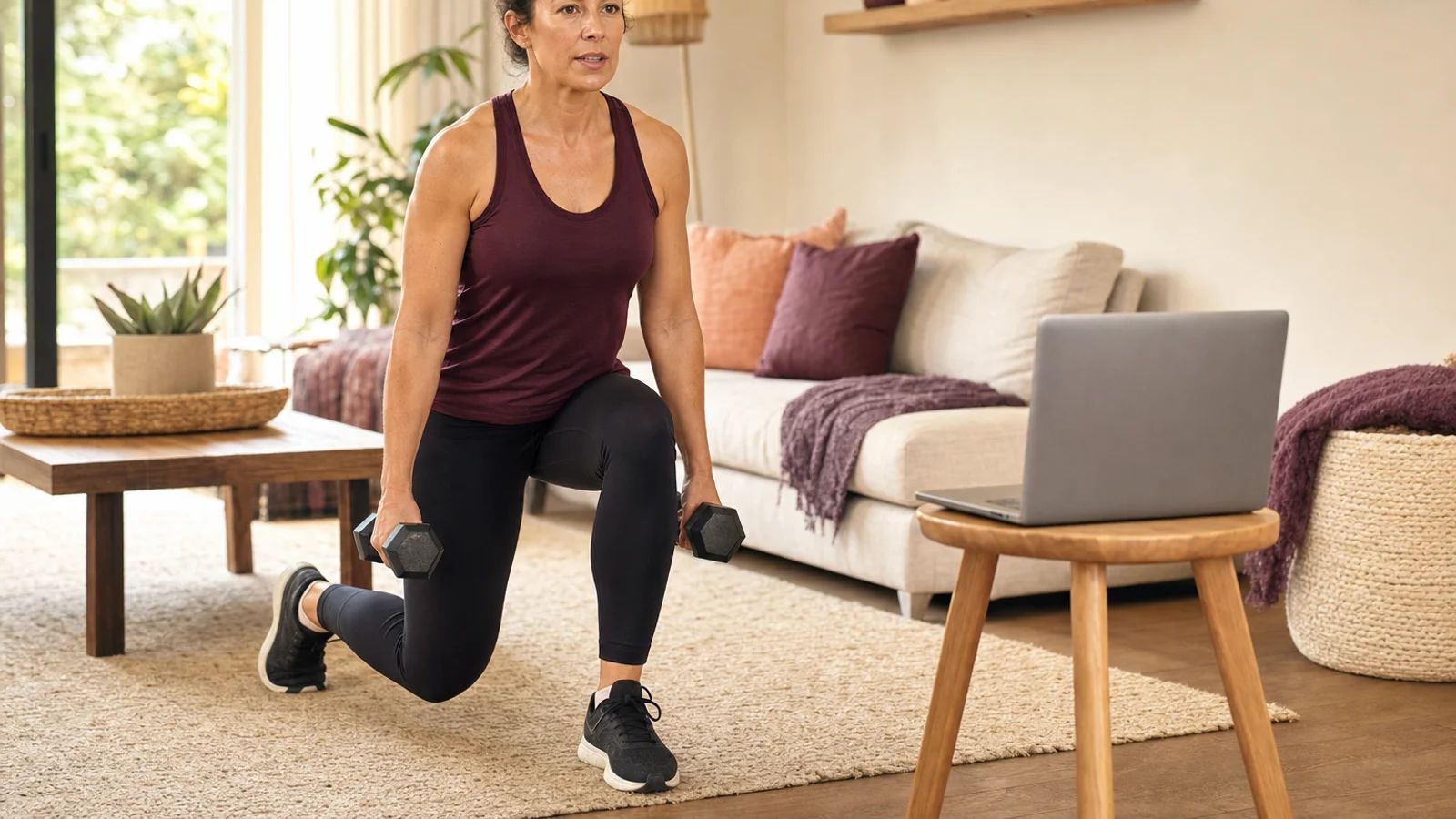
The research says supervised training beats going it alone, but not every online model counts as supervised. Here's what the studies actually show.
Carl Borg · 9 min read
 longevity
VO2 max and strength predict lifespan better than almost anything we can measure. Here's a simple weekly plan that trains both, and why it works.
Carl Borg · 5 min read
 live coaching
Async form checks arrive a day late. Live coaching fixes the rep while the bar's still in your hands, and that timing changes what you learn.
Carl Borg · 4 min read
 comparisons
trainwell is good app-guided coaching, but nobody watches you train. Six real alternatives compared on price and model, including one that's live.
Carl Borg · 6 min read
 travel
You won't lose fitness on a two-week trip. The real risk is the restart. Here's how to train well with almost no equipment and keep the habit alive.
Carl Borg · 4 min read
 comparisons
Trainiac is now employer-only through Wellhub. Here's what changed, what you actually had, and the closest replacements with honest prices.
Carl Borg · 3 min read
 live coaching
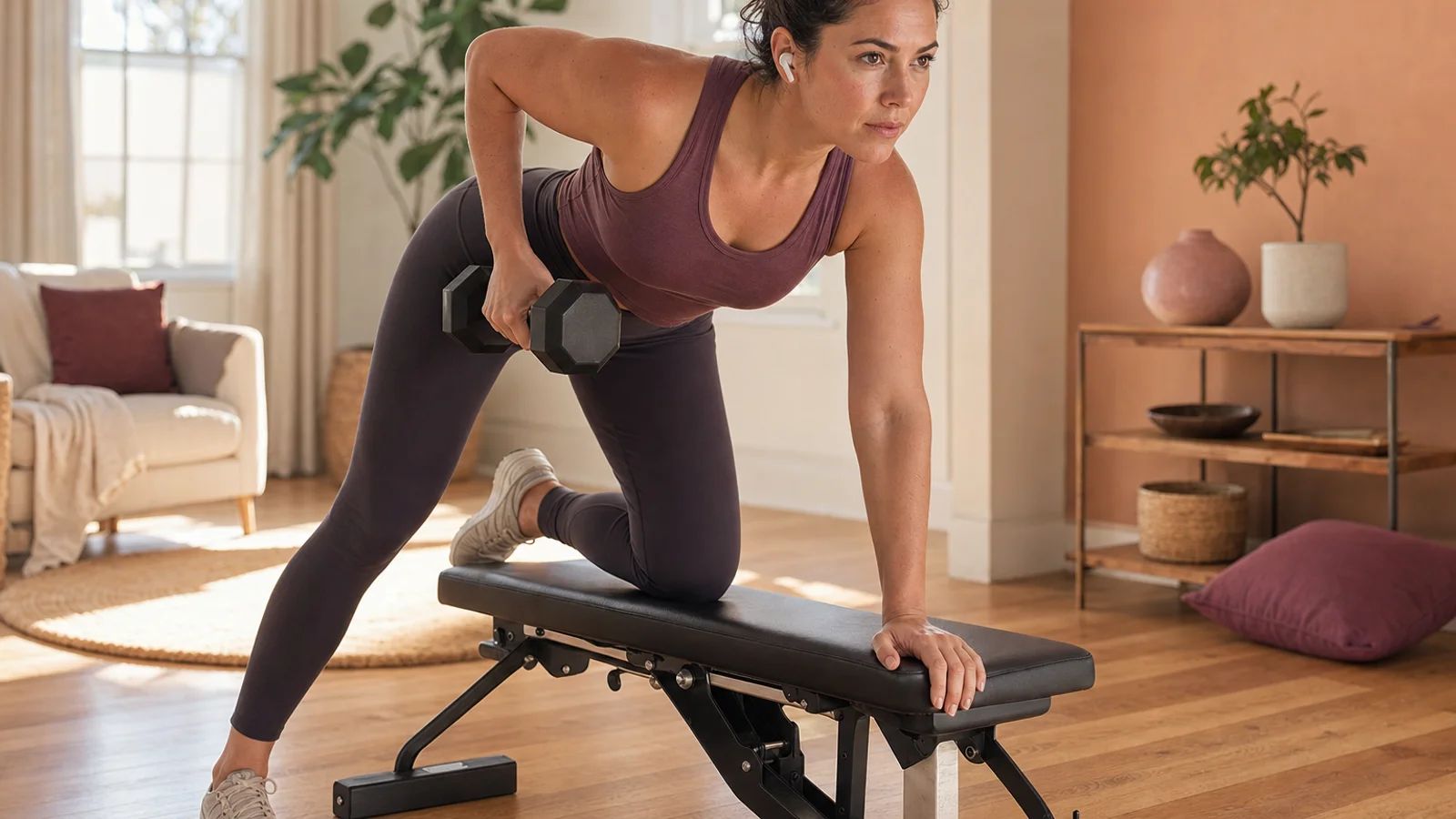
Future, trainwell, and Caliber coach you between workouts. Live coaching puts the coach on video during them. What each model costs and buys.
Carl Borg · 6 min read